Quarterly Taxes Demystified: A Complete Guide for Self-Employed and LLC Owners

Quarterly Taxes Demystified: A Complete Guide for Self-Employed and LLC Owners
March 24, 2026 1,021 views 8 min read
๐Ÿ“… QUARTERLY TAX GUIDE 2026 EDITION

Quarterly Taxes Demystified
A Complete Guide for Self-Employed and LLC Owners

4 Payments Per Year
Avoid Penalties Up to 25%
10 Min Read

What Are Quarterly Estimated Taxes?

Unlike traditional employees who have taxes withheld from each paycheck, self-employed individuals and LLC owners must pay taxes directly to the IRS four times per year. This guide walks you through everything you need to know about calculating, paying, and tracking your quarterly tax payments.
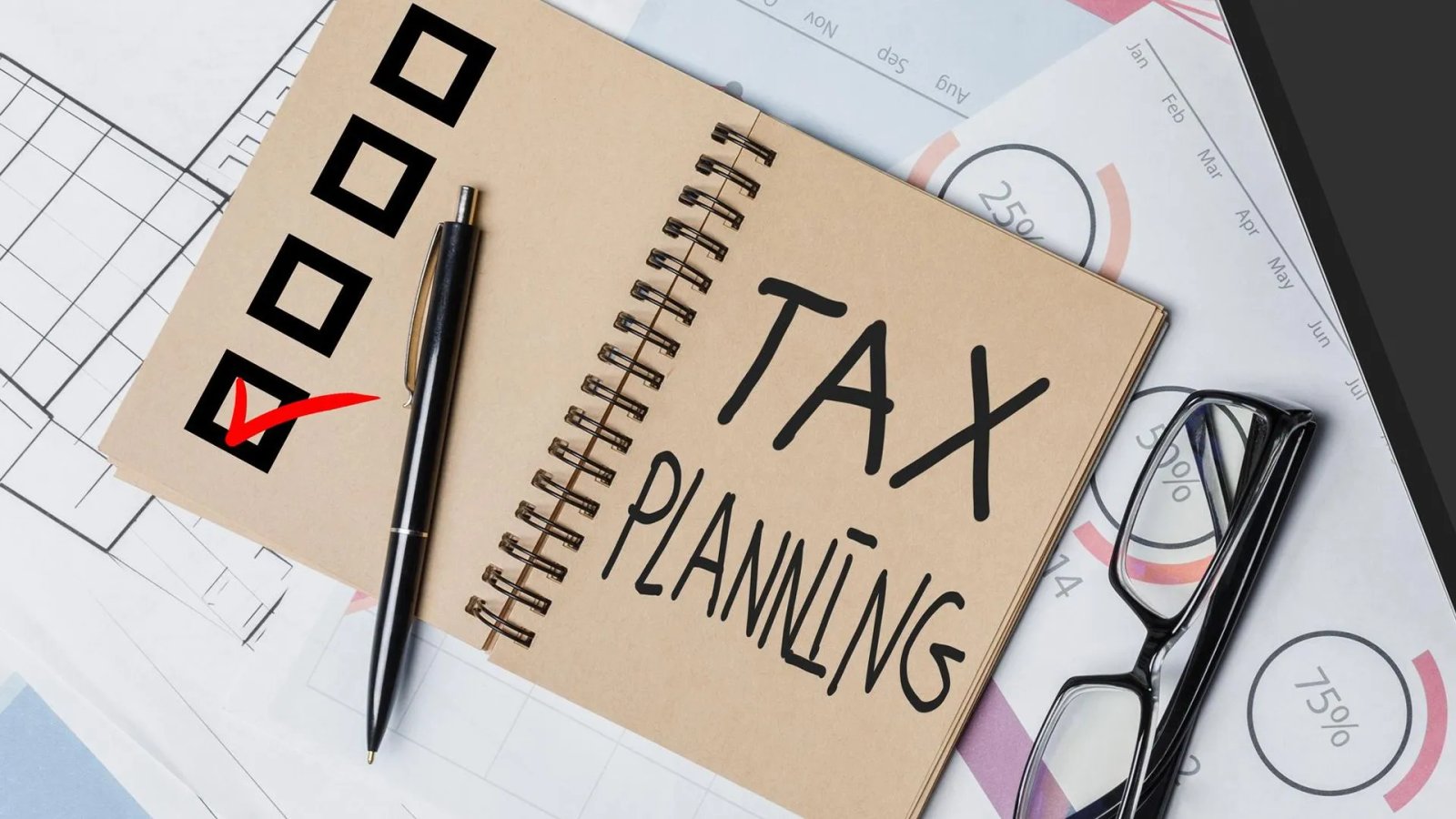
Quarterly tax planning calendar showing estimated tax payment schedule for business owners

Who Needs to Pay Quarterly Taxes?

Not every business owner needs to make estimated tax payments. Understanding the criteria helps you determine your obligations.

You must pay quarterly taxes if:
  • You expect to owe at least $1,000 in taxes after withholding
  • Your withholding covers less than 90% of your current year tax
  • Your withholding covers less than 100% of your prior year tax (110% for higher incomes)
This applies to:
  • Sole proprietors and Single-Member LLC owners
  • Partners in multi-member LLCs
  • Freelancers and independent contractors
  • Small business owners without payroll withholding

2026 Quarterly Tax Deadlines

April 15, 2026
Q1 Payment (January 1 - March 31)
June 15, 2026
Q2 Payment (April 1 - May 31)
September 15, 2026
Q3 Payment (June 1 - August 31)
January 15, 2027
Q4 Payment (September 1 - December 31)
Missing a deadline? Late payment penalties start at 0.5% of unpaid amount per month, plus interest. Filing late adds another 5% per month (up to 25%). Mark these dates on your calendar!
Comprehensive tax deduction guide showing common business write-offs

How to Calculate Your Estimated Tax Payments

Calculating estimated taxes involves projecting your annual income and applying the appropriate tax rates. Here is the formula:

Step 1: Estimate annual net income (Revenue - Expenses)
Step 2: Calculate self-employment tax (15.3% up to $176,100, then 2.9%)
Step 3: Calculate income tax based on your bracket (10%, 12%, 22%, 24%, 32%, 35%, or 37%)
Step 4: Add together: Self-employment tax + Income tax
Step 5: Divide by 4 for quarterly payment amount

Example Calculation

If you expect $80,000 in net profit:

  • Self-employment tax: $80,000 ร— 15.3% = $12,240
  • Income tax (22% bracket): $80,000 ร— 22% = $17,600
  • Total estimated tax: $12,240 + $17,600 = $29,840
  • Quarterly payment: $29,840 รท 4 = $7,460

Safe Harbor Rules to Avoid Penalties

100% of Prior Year Tax

If your prior year AGI was under $150,000, paying 100% of last year's tax total protects you from penalties.

110% of Prior Year Tax

If your prior year AGI exceeded $150,000, you need to pay 110% of last year's tax to qualify for safe harbor.

90% of Current Year Tax

Paying at least 90% of your current year tax liability also protects you from underpayment penalties.

Smart Strategy for Variable Income

If your income fluctuates significantly, use the annualized income installment method. This adjusts payments based on actual income during each quarter, potentially reducing early payments and improving cash flow.
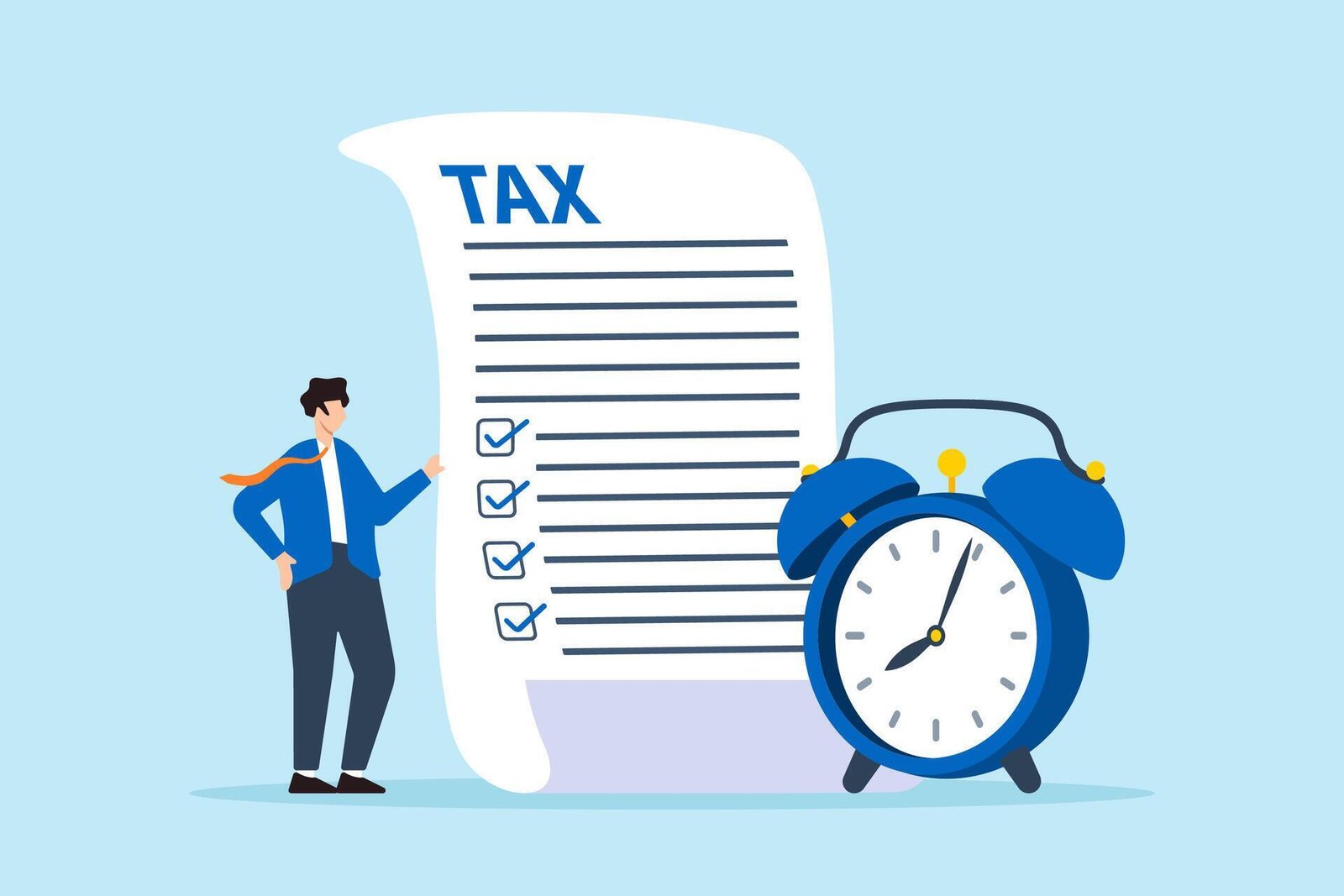
Tax deadline reminder calendar showing important IRS due dates

How to Make Quarterly Tax Payments

IRS Direct Pay

Free, direct from your bank account. No registration required. Available 24/7.

EFTPS (Electronic Federal Tax Payment System)

Free system with advance scheduling capabilities. Requires registration (3-5 business days).

IRS2Go Mobile App

Make payments directly from your smartphone. Available for iOS and Android.

Mail Form 1040-ES

Send check or money order with payment voucher. Allow 7-10 days processing.

Tracking and Record Keeping

Maintaining accurate records of your quarterly tax payments is essential for filing your annual return and proving compliance.

โœ“
Save confirmation numbers or receipts for each payment
โœ“
Track payment dates and amounts in a spreadsheet
โœ“
Use accounting software to record payments
โœ“
Keep a separate business bank account for tax savings
โœ“
Set aside 25-30% of each payment received for taxes

Frequently Asked Questions

What happens if I overpay my quarterly taxes?
You receive a refund when filing your annual tax return. Consider reducing future estimated payments based on actual income.
Can I pay quarterly taxes if my income varies each quarter?
Yes, use Form 2210 to annualize income, adjusting payments based on actual earnings each quarter.
Do I need to pay state quarterly taxes too?
Most states with income tax also require quarterly estimated payments. Check your state's tax agency website.
What if I miss a quarterly payment deadline?
Pay as soon as possible. Penalties accrue daily, so paying late but quickly minimizes damage.
How does S-Corp election affect quarterly taxes?
You will need to pay payroll taxes through your business and make estimated payments for any remaining profit.

Your Quarterly Tax Action Plan

Calculate estimated annual income
Determine applicable tax rates
Compute quarterly payment amount
Mark payment deadlines on calendar
Set up automatic payment reminders
Open dedicated tax savings account
Transfer 25-30% of each payment received
Make payment before each deadline
Save confirmation numbers
Review income quarterly
Adjust payments if income changes
Consult tax professional annually

The Bottom Line

Quarterly tax payments are a reality for self-employed individuals and LLC owners. While they require planning and discipline, understanding the rules helps you avoid penalties and manage cash flow effectively. The key strategies: estimate accurately, pay on time, track everything, and work with qualified professionals when your situation becomes complex.

๐Ÿ’ฐ Estimated Tax Savings with Proper Planning: $2,000 - $15,000+
Explore More Tax Resources โ†’